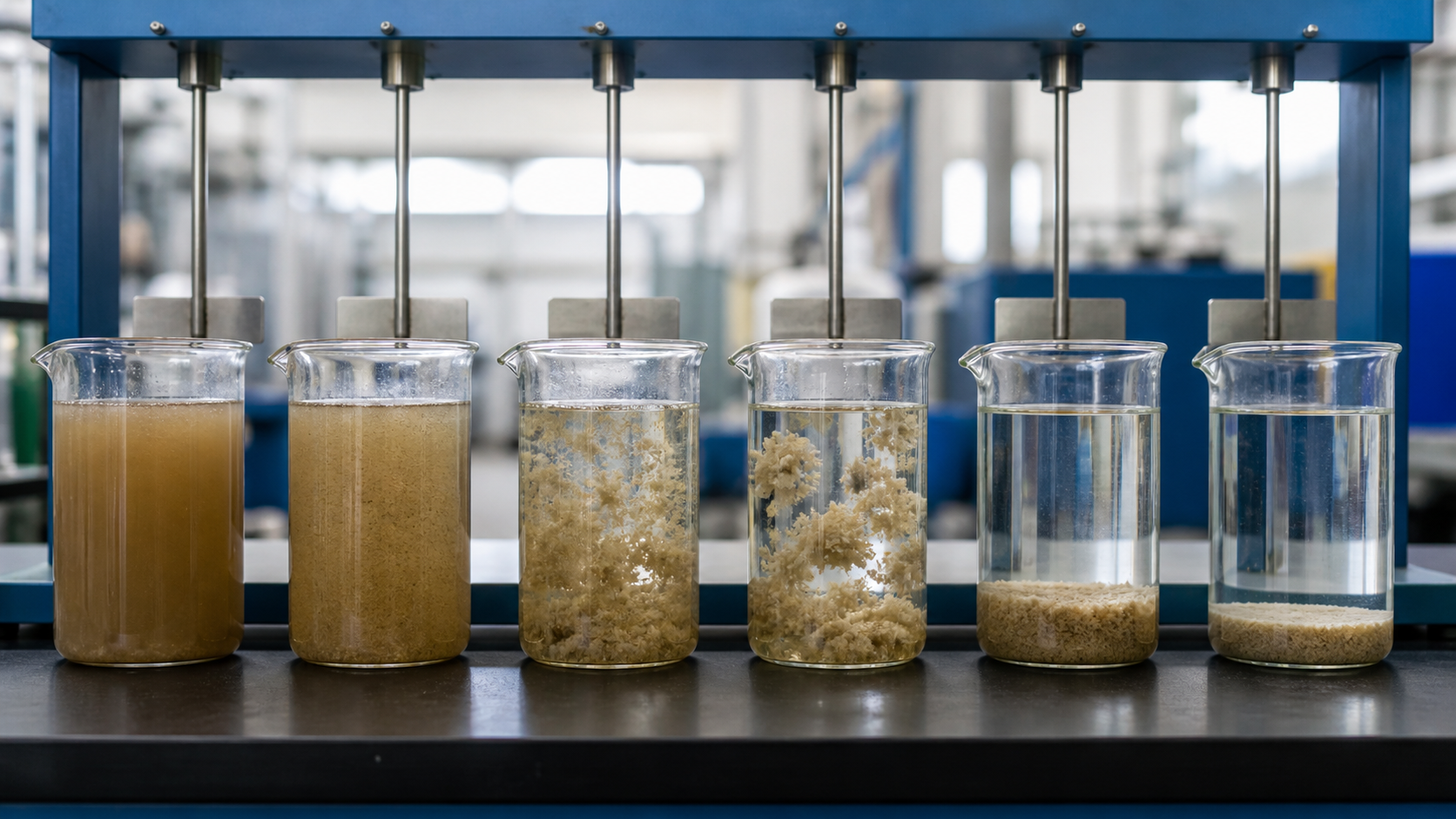
A retained sample is useful only when its identity and handling history are reliable. For thickener PAM deliveries, connect receiving records, batch documents and the material used in operation. That evidence helps investigate a later performance change without assuming immediately that either the polymer batch or the plant is at fault.
Establish the receiving identity
Check the product reference, batch identifier, package count and visible condition against the order and delivery documents. Resolve unexplained differences before releasing material into routine stock. If the supplier uses a commercial name and a separate manufacturing code, record the confirmed relationship so operators are not left to infer equivalence.
Keep batches distinguishable after pallets are split. Record when a batch begins entering the preparation system and when the preceding batch is depleted. Without that transition record, a performance observation may be assigned to the wrong delivery.
Define the retention method in advance
Agree how a representative sample is taken, labelled, sealed and stored using suitable site and product procedures. Record the responsible person and sampling date. Do not assume that an old, repeatedly opened jar remains representative of a sealed production package. The retention period should follow the agreed investigation needs and product conditions, not an arbitrary universal rule.
Ask Xinqi Polymer to clarify the batch documents and investigation process when placing the order. Information about polymer manufacturing is useful background, but a general quality claim does not replace traceable evidence for the specific delivery.
Separate incoming conformity from plant response
Check agreed documents and test results using their stated methods. Keep the incoming release decision separate from the operating comparison, while making the two records easy to connect. If the plant performs a local preparation or settling check, use a consistent method and representative water so the result can be interpreted.
Consult the thickener underflow guide when performance changes. Feed solids, bed conditions, withdrawal and preparation can change at the same time as a delivery. Retained material helps investigate a batch question but does not eliminate these other explanations.
Agree a factual discrepancy review
Share the batch identity, receiving condition, preparation record and relevant process trend with the supplier. Keep observations separate from conclusions. Where needed, arrange a repeat comparison using the retained reference and current material under matched conditions. A traceable receiving system supports a faster, fairer resolution than either rejecting a batch from one unusual shift or dismissing an operator's concern without examining the evidence.