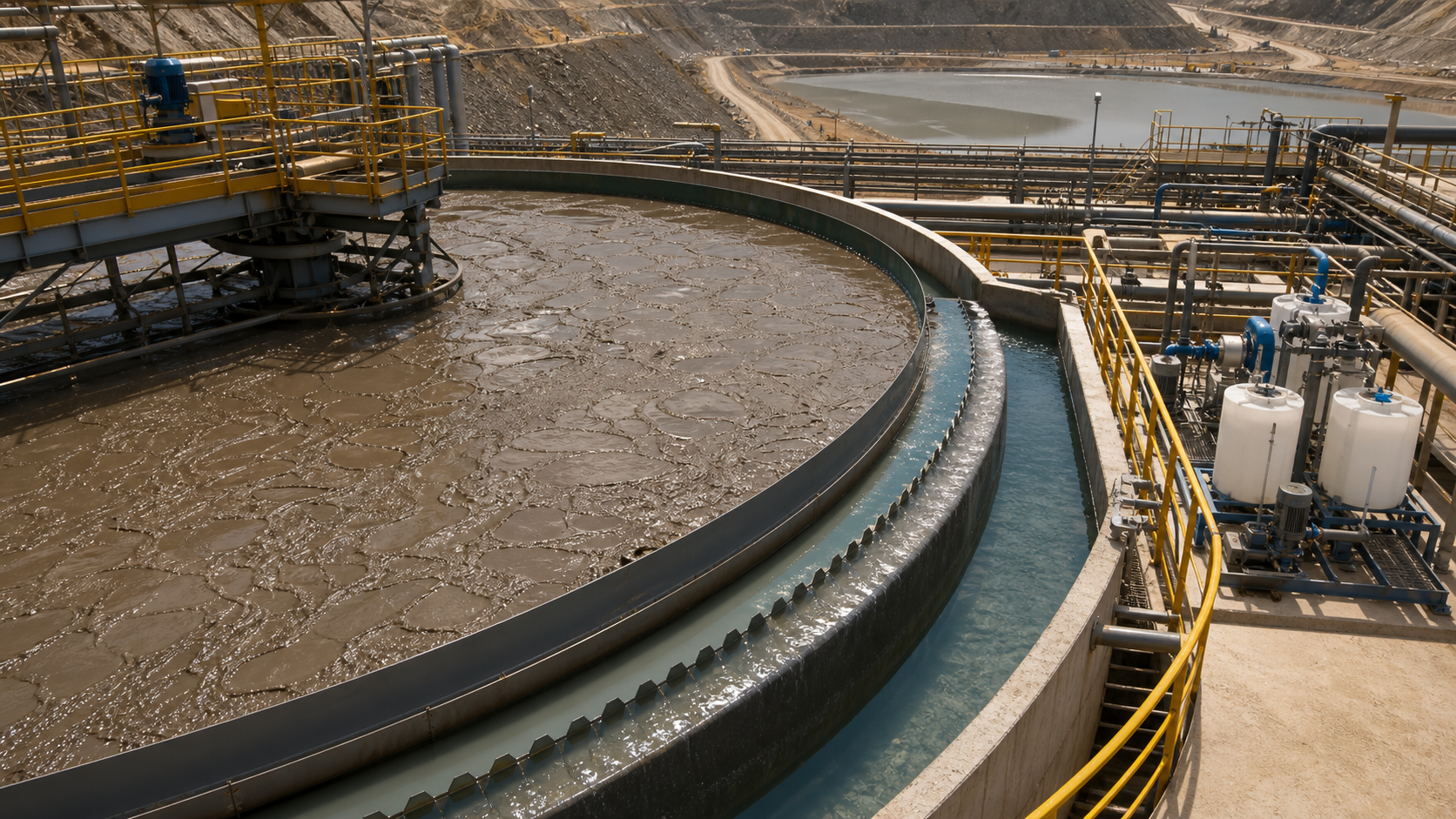
A PAM sample order for metal hydroxide settling must describe the precipitation process, not merely name the metal. Polymer can support separation of formed solids, but it is not a substitute for establishing the required upstream chemistry. Ask the treatment team to define what remains suspended and what must be checked independently before selecting candidates.
Describe the solids that reach the settling stage
Record the wastewater source, the precipitation and pH-control sequence, and significant upstream additions. Include available measurements for suspended solids and relevant water chemistry. Distinguish a separation problem from a dissolved-constituent problem using the plant's approved analytical approach. A clear sample does not prove that every treatment requirement has been met.
Keep unusual batches or process changes visible in the sample history. If the wastewater is collected from several operations, identify whether the sample is a representative blend. Material sampled before a precipitation stage is not automatically a suitable substitute for the solids entering the actual clarifier.
Ask for candidate logic rather than a universal grade
Request a small set of named candidates and an explanation of the screening approach. Do not specify an ionic type solely from the metal name or assume that a published application example establishes compatibility with the current chemistry. Retain the existing treatment as a control wherever a meaningful comparison is possible.
Use the metal hydroxide settling guide when preparing the brief for Xinqi Polymer. Information on nonionic PAM can support a candidate discussion, but selection must remain conditional on the actual precipitate and separation arrangement.
Keep the sample evaluation controlled
Prepare each sample according to its instructions and record the solution basis. Maintain consistent mixing, observation time and sampling depth. Compare clarified liquid and sediment handling together. If the upstream pH or precipitation programme changes during the trial, document it and avoid attributing every improvement to polymer.
Use appropriate laboratory and site safety procedures for the wastewater being handled. Keep the solids and treated water within the plant's authorised disposal or reuse routes. Do not treat a sample exercise as permission to bypass normal analytical checks or discharge controls.
Specify what qualifies the first purchase
Record the product identity, demonstrated preparation conditions and accepted separation response. Keep any required chemical analyses separate from visual settling observations. A first order should state which operating conditions were represented and which need further review. This prevents a limited screening result from becoming an unsupported claim that one grade can handle every metal-bearing wastewater produced by the facility.